Members
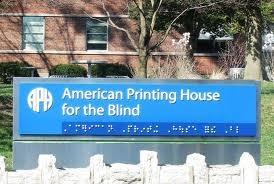
American Printing House for the Blind
The Museum of the American Printing House for the Blind is dedicated to preserving and presenting the fascinating educational history of blind people and the historic contributions of the American Printing House for the Blind for the benefit of the visually impaired, educators of the visually impaired, and the broader community.
Website: https://aph.org
Phone: (502) 899-2242
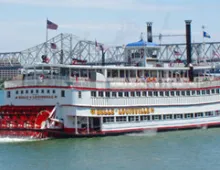
Belle of Louisville
The Belle of Louisville is the oldest operating Mississippi River-style steamboat in the world. Though we know her today as the Belle of Louisville, she was originally named the Idlewild when she was built in 1914 at Pittsburgh, Pennsylvania. She was designed to be a ferry and day packet vessel (for freight work), and was also outfitted for her later career as an excursion boat. Completely paddlewheel-driven with a steel hull that draws only 5′ of water, she was able to travel on virtually every navigable inland waterway, earning her the distinction of being the most widely traveled river steamboat in the nation. The Belle was named a National Historic Landmark on June 30, 1989.
Website: https://belleoflouisville.org
Phone: (502) 574-2992
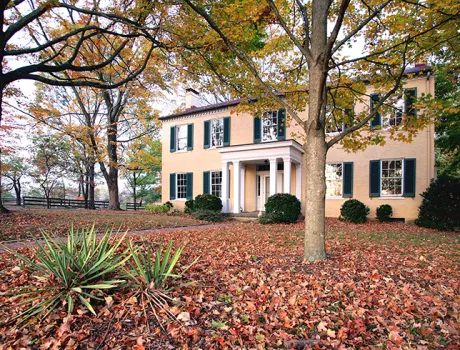
Blackacre Historic Homestead
The Blackacre Historic Homestead shelters an 18th-century stone cottage, springhouse, barn, and a pre-Civil War farmhouse, and is open to the public.
Website: https://blackacreconservancy.org
Phone: (502) 266-9802
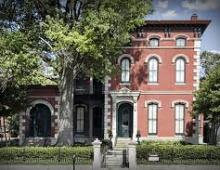
Brennan House Historic Home
The Ronald-Brennan House, often referred to as just the Brennan House, is a historic Italianate townhouse located in Downtown Louisville, Kentucky. It was listed on the National Register of Historic Places on August 11, 1975.
Website: https://thebrennanhouse.org
Phone: (502) 540-5145
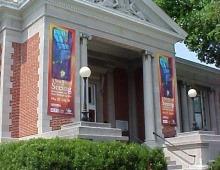
Carnegie Center for Art & History
The Carnegie Center for Art and History is a local history museum and contemporary art gallery.
Website: https://carnegiecenter.org
Phone: (812) 944-7336
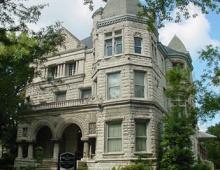
Conrad-Caldwell House Museum
The Conrad-Caldwell House Museum, one of the finest examples of Richardsonian Romanesque architecture, was the masterpiece of famed local architect Arthur Loomis of Clarke & Loomis.
Website: https://conrad-caldwell.org
Phone: (502) 636-5023
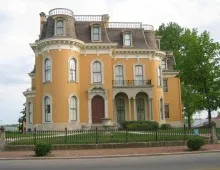
Culbertson Mansion State Historic Site
t age 21, William S. Culbertson left his hometown of New Market, Pennsylvania, to seek his fortune in Indiana. Settling in New Albany, Indiana.
Website: https://indianamuseum.org
Phone: (812) 944-9600
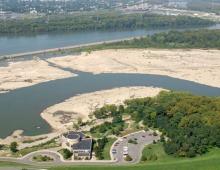
Falls of the Ohio State Park
t age 21, William S. Culbertson left his hometown of New Market, Pennsylvania, to seek his fortune in Indiana. Settling in New Albany, Indiana.
Website: https://fallsoftheohio.org
Phone: (812) 280-9970
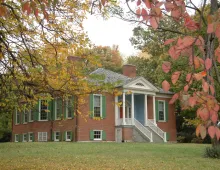
Farmington Historic Home
Farmington is a 14-room Federal style home that was the center of an 19th-century hemp plantation of John and Lucy Speed.
Website: https://historicfarmington.org
Phone: (502) 452-9920
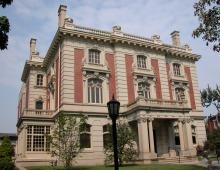
The Filson Historical Society
Kentucky's oldest privately supported historical society, founded in 1884. We've been collecting and preserving Kentucky and the Ohio Valley region's significant stories for 129 years.
Website: https://filsonhistorical.org
Phone: (502) 635-5083
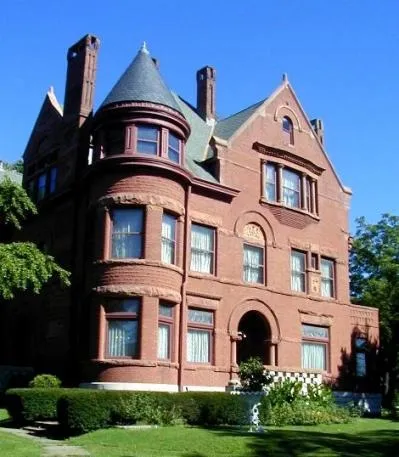
Howard Steamboat Museum
The Mission of the Museum is to preserve the Howard family story, their mansion and the history of their shipyards and to foster an appreciation of the development of river steamboats and commerce along the way.
Website: https://steamboatmuseum.org
Phone: (812) 283-3728
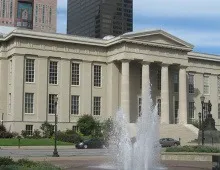
Jefferson County Courthouse
A historic Greek Revival public building designed by architect Gideon Shryock, standing as a prominent civic centerpiece of Louisville's heritage.
Website: https://louisvilleky.gov
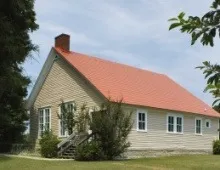
Leorna Brown School
A simple one-room wooden structure built in 1891 for the education of black children. The school stands as a testament to the motivation of African-American children taught during the days of segregation. It is one of Indiana’s oldest standing African-American elementary/secondary schools. The Brown School is used as both a historic site and cultural/educational center. Thus, at times the building may be in use for various functions, which may impact the public’s access. Please call ahead to confirm.
Website: https://thisisindiana.org
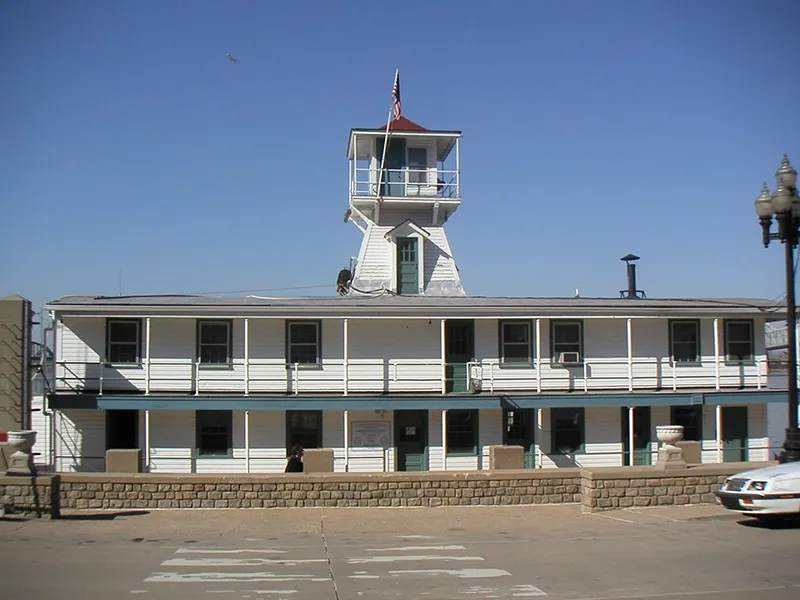
Life-Saving Station #10
Life-Saving Station #10 was first installed at Louisville in November, 1881, to rescue boats and people who ran into river trouble because of the Falls of the Ohio, the most hazardous obstruction on the Ohio River. Constructed with a wooden hull, it was replaced with a second station in 1902. Again with a wooden hull, it was replaced by a third station in 1929 – this time with a steel hull, a fairly new technology at the time. Life-Saving Station #10 (also named the Mayor Andrew Broaddus) serves today as the wharfboat and ticket office for the Belle of Louisville and is National Historic Landmark
Website: https://belleoflouisville.org.
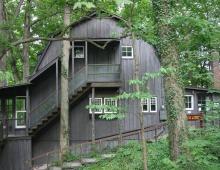
The Little Loomhouse
Historic Little Loomhouse Tour- $5.00 per person- free for members (show membership card) Includes a tour of all three historic cabins and an oral history of the life of Master Weaver, Lou Tate and her work.You will also have the opportunity to see a number of vintage weaving tools and woven samples.
Website: https://littleloomhouse.org
Phone: (502) 367-4792
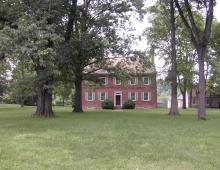
Locust Grove
Locust Grove is a National Historic Landmark on 55 acres of the original 694 acre farm established by William and Lucy Clark Croghan in 1790. William Croghan was the brother-in-law and surveying partner of George Rogers Clark, founder of Louisville and Revolutionary War hero. George Rogers Clark spent the last nine years of his life at Locust Grove, from 1809 until his death in 1818.
Locust Grove also hosted three U.S. Presidents, Monroe, Jackson and Taylor, and was a stopping point for famed explorers Meriwether Lewis and William Clark upon their return from their expedition to the Pacific. In addition, Locust Grove was home to numerous enslaved African-Americans who lived and worked on the farm and contributed to its success. Locust Grove tells the story of George Rogers Clark, early Kentucky history, western expansion and everyday life on the frontier.
Website: https://locustgrove.org
Phone: (502) 897-9845
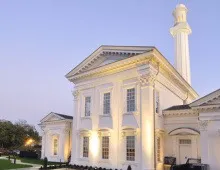
Louisville Water Company Water Tower
Standing atop a gentle rise overlooking the Ohio River, the Pumping Station and Water Tower, built in 1856, were the heart of the original water system for Louisville and today hosts the WaterWorks Museum.
Website: https://louisvillewatertower.com
Phone: (502) 569-3600
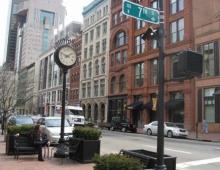
Main Street Association
More than 200 years in the making, walking Louisville’s historic Main Street is a short stroll spiced with slices of Louisville’s exciting heritage. This six-block area has the second largest concentration of cast iron buildings in the nation, after the SoHo District in New York City.
Website: https://mainstreetassociation.com
Phone: (502) 589-6008
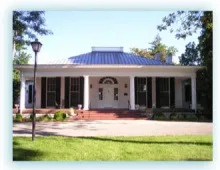
Nunnlea House
Nunnlea provides a beautiful setting for your special event. Built in the 1850s, the house and its outbuildings are listed on the National Register of Historic Places.
Website: https://nunnlea.com
Phone: (502) 267-8780
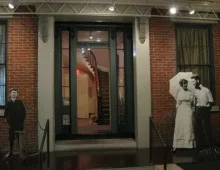
Portland Museum
Discover the Portland neighborhood, once an independent town below the Falls of the Ohio, through walking tours, restored historic properties, archaeology and interpretation at Portland Wharf Park, art exhibits, programs, and heritage events.
Website: https://goportland.org
Phone: (502) 776-7678
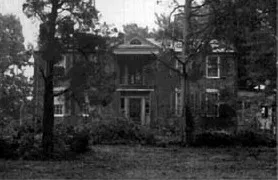
Riverside, the Farnsley-Moremen Landing
Standing atop a gentle rise overlooking the Ohio River, the Farnsley-Moremen House is the centerpiece of a 300-acre historic site in Louisville, Kentucky. Called Riverside, the Farnsley-Moremen Landing, the c. 1837 house stands as a testament to the important role agriculture along the river played in the development of our country.
Website: https://riverside-landing.org
Phone: (502) 935-6809
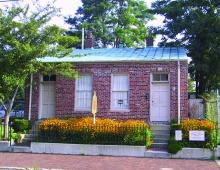
Thomas Edison House
Thomas Alva Edison remains today a name in history that is readily recognizable by millions of people worldwide and to the surprise of many, Louisville, Kentucky can stake claim to a portion of this prolific inventor's early career.
Website: https://edisonhouse.org
Phone: (502) 585-5247
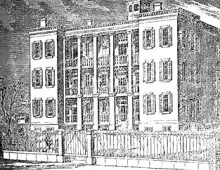
US Marine Hospital
In 1837, Congress authorized the construction of the U.S. Marine Hospital in Louisville 'for the benefit of sick seamen, boatmen, and other navigators on the western rivers and lakes.' In the parlance of the day, 'western rivers and lakes' referred to the Ohio and Mississippi river systems, and the Great Lakes.
Website: https://marinehospital.org
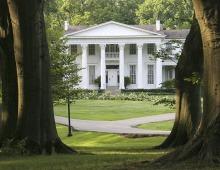
Whitehall House & Gardens
Hume Logan, Jr., the property's last private resident, had a vision for his beloved Whitehall. He knew that it must one day be open to the public so that future generations could learn about and enjoy the house and gardens he called home.
Website: https://historicwhitehall.org
Copyright © 2026 LouisvilleHistory.org